Playground OS
What if a computer worked like a playground?
SpaceMaterialsToolsEquipments
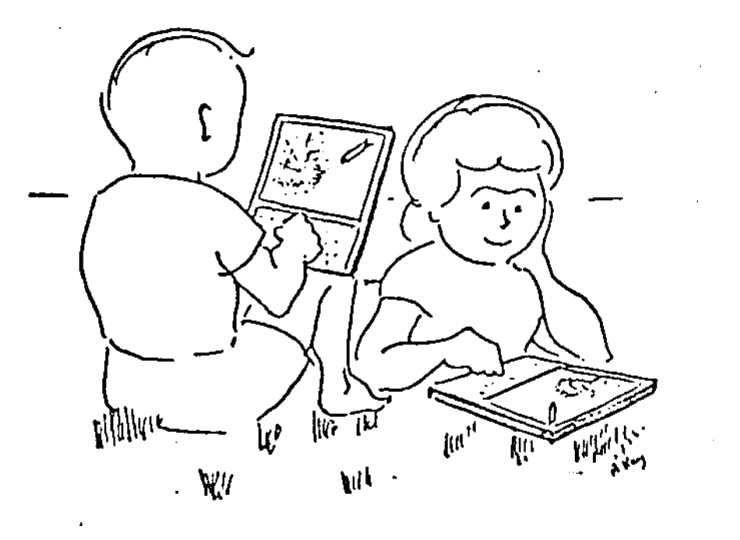
From A Personal Computer for Children of All Ages, Alan C. Kay, 1972.
In 1972, Alan Kay drew two children learning on the grass.
They play games on a Dynabook, and learn physics as they play.
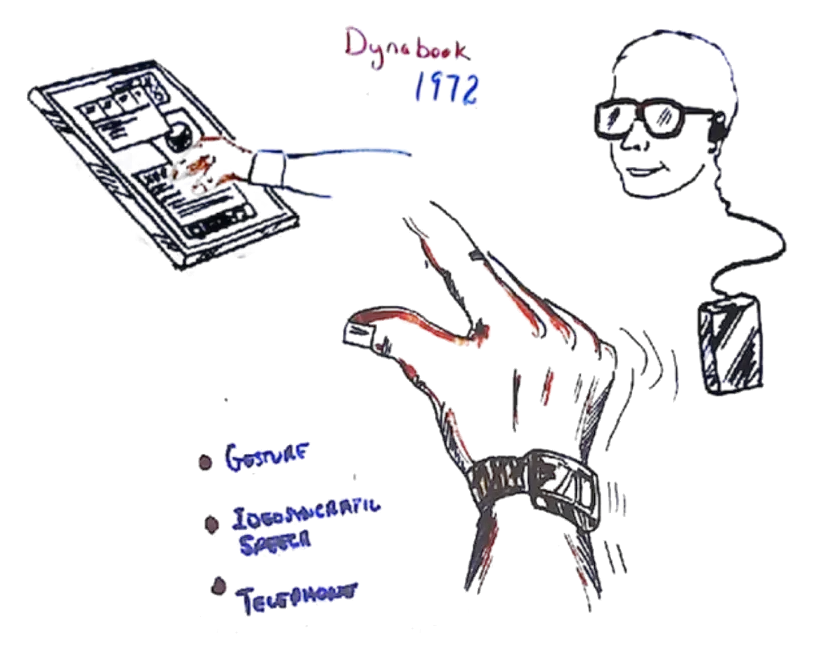
Three form factors for the Dynabook, on an acetate from the early 1970s. Alan C. Kay.
The Dynabook was never just a tablet.
In Kay’s words, it was “not just a box but a service”, “the wheels for the mind”, “something that helps you grow and that you grow with”.
We got the tablet. We forgot the dream.
Fifty years on, our screens are made for scrolling, watching and buying. Far more is consumed on them than created.
So I designed
Playground OS
An operating system for creation, not consumption. A concept for History and Future of Interaction Design at Carnegie Mellon, with Paul Pangaro, fall 2024.
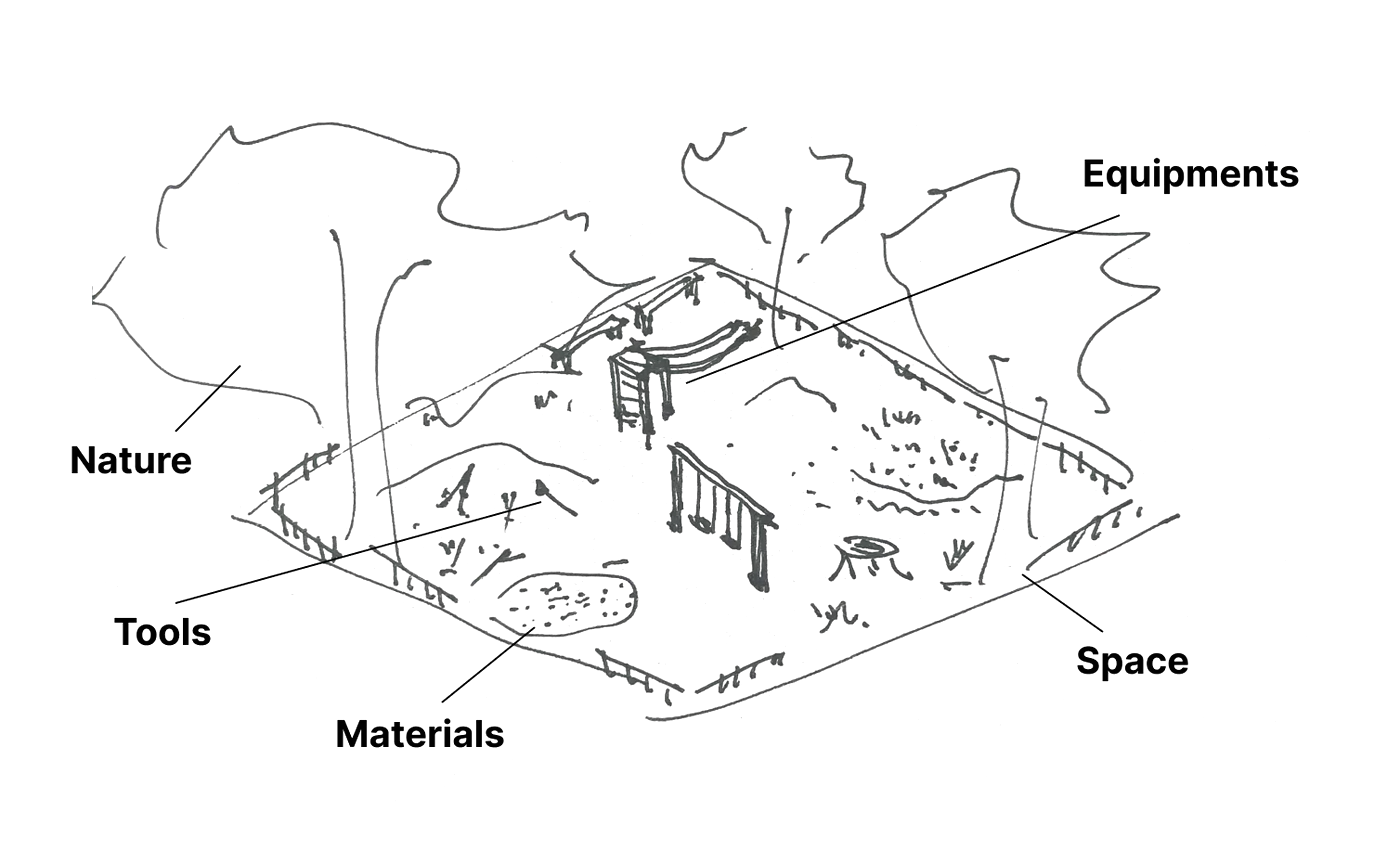
On a playground, children create without being taught.
They invent games and build imaginary worlds from whatever is there.
Each part of the playground gave the OS a part.
- Space → CommunityA safe place to explore and build together
- Materials → Data and contentLike sand: shape it, and undo
- Tools → FunctionsLike a shovel: computation and sensing, to get materials and use them
- Equipments → ProgramsLike a slide: built before, or left unfinished, ready to use or change
Context recognition, in a kitchen, seen through an XR device.
It knows where you are, and what you’re doing.
It sees you’re making dinner, remembers you like trying new things, and asks what you’ll cook tonight.
Communities and updates.
It shows what others have made here.
Dishes and questions from the cooking community gather over the counter. Join #Chinese Dishes, or just look.
Programming, with an AI agent.
You build a program by snapping blocks together, with an agent.*
A camera feeds an Ingredient Inspector, and its ingredients meet Chinese recipes in a Smart Filter. Worried about spice? The agent suggests adding your health data and preferences.
* Before today’s idea of an agent took shape: Anthropic’s “Building effective agents” came out that December, Operator and Claude Code in early 2025
Running, with an AI agent.
Then you run it, right there on the counter.
It inspects the ingredients, filters the recipes, and suggests stir-fried vegetables with chicken: thirty minutes, right for a quick dinner.
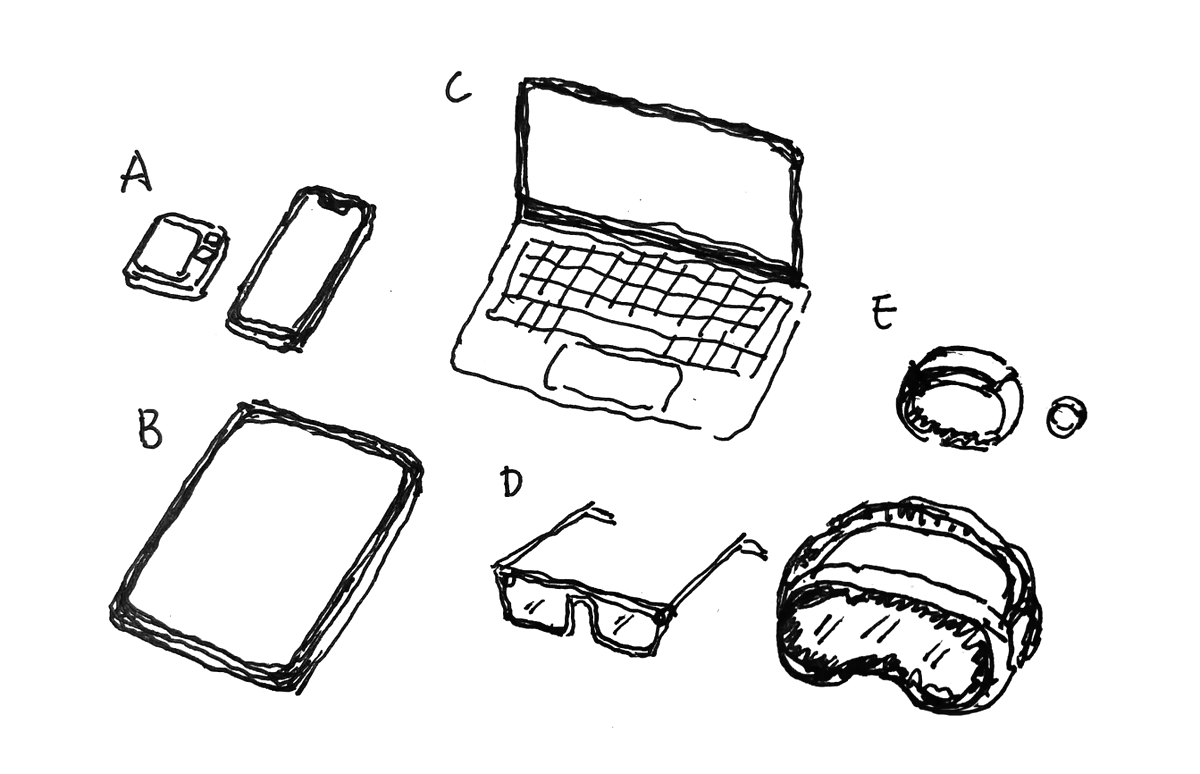
The kitchen is one playground. Any device can open another.
A phone, a tablet, a laptop, glasses or a headset, a watch or a ring: for all kinds of people, in all kinds of situations.
A computer that helps you grow, and that you grow with.
- Role
- Concept, interaction and UX design, solo
- Course
- History and Future of Interaction Design, Carnegie Mellon University, with Paul Pangaro
- Year
- Fall 2024
- Tool
- Figma
- Prototype
- Dinner in the kitchen
- Status
- Design concept